Simple heat pump checks homeowners can do
You do not need to be technical to keep an eye on your heat pump. Regular visual checks and good housekeeping can make a real difference to performance and reliability.
Keep the outdoor unit clear and breathing
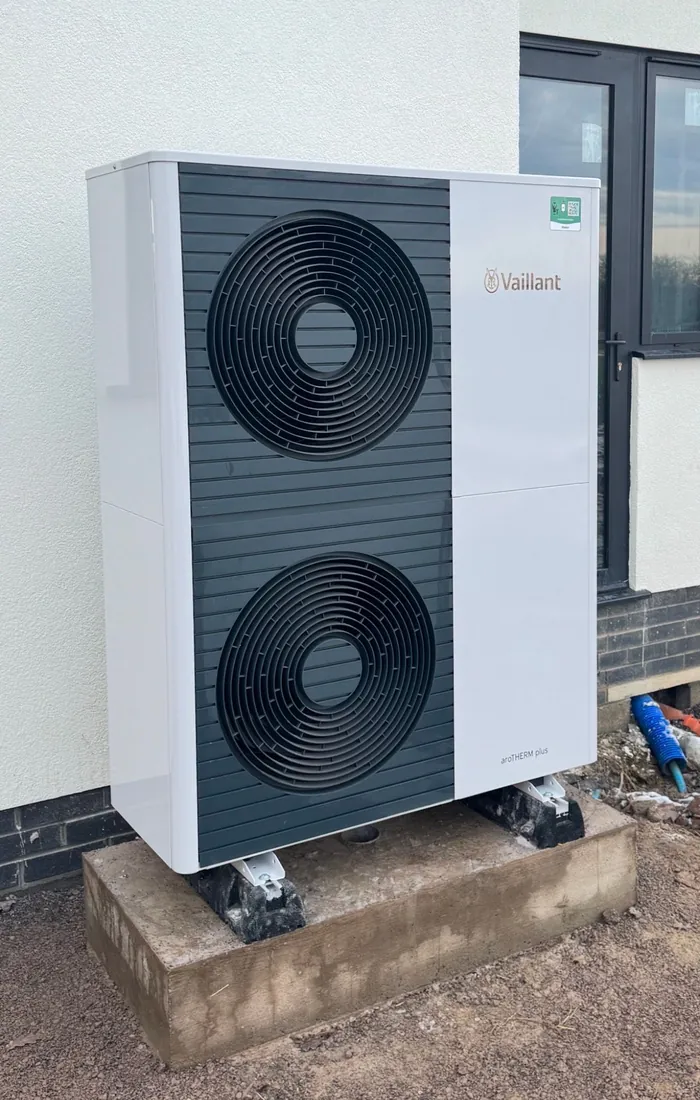
The outdoor unit needs plenty of airflow to work well. Try to keep at least 30 cm of clear space around the sides and the back, and more in front of the fan if possible.
Gently remove leaves, twigs and rubbish from the grille and around the base
Trim back bushes or plants that are growing too close
Do not lean tools, bikes or garden furniture against the unit
If you are cleaning, use a soft brush or cloth and avoid spraying water directly into the unit or using a pressure washer.
Check for ice build-up and defrost behaviour
In colder weather, it is normal to see light frost on the outdoor coil. From time to time, the unit will go into a defrost cycle where it briefly looks and sounds different, and some steam may appear.
If you notice thick ice building up that does not clear, or the entire unit is encased in ice, that is a sign that something is not right. Make a note of the conditions when it happens and contact a professional for advice.
Listen for unusual noises
Most modern heat pumps run with a steady hum. Sudden changes in noise can be an early warning that something needs attention.
Watch out for rattling, grinding, loud buzzing or metallic scraping sounds. A slight change during defrost is usually fine, but ongoing strange noises should be checked by an engineer before they develop into a bigger issue.
Check thermostats, controls and filters
Make sure your room thermostats, smart controls or programmers are set to sensible temperatures and schedules. If a screen is blank, check the batteries or power supply.
If your system uses air vents or fan convectors, gently vacuum the grilles to remove dust. Where washable filters are fitted, clean these as per the manufacturer instructions to keep airflow up and noise down.
Maintenance tasks best left to a professional
While homeowner checks are helpful, a yearly service by a qualified heat pump engineer gives your system a thorough health check. This is especially important as heat pumps are sealed refrigerant systems with electrical and safety components.
Refrigerant circuit and safety checks
During a service, the engineer will inspect the refrigerant circuit for signs of leaks and check pressures and temperatures against the manufacturer data where applicable. They will also confirm that all safety devices are working correctly.
This can include pressure relief valves, flow switches and sensors that protect the system if something goes wrong. These are not items a homeowner should attempt to adjust.
Electrical connections and coil cleaning
Loose electrical connections can cause intermittent faults or overheating. Your engineer will tighten terminals, check cable condition and verify that protective devices are sized and operating correctly.
They will also clean the indoor and outdoor coils carefully, removing dirt and debris that can reduce efficiency. This is done using appropriate tools and products that will not damage delicate fins or coatings.
System water quality and inhibitor levels
On systems with radiators or underfloor heating, water quality is critical to long-term performance. During a service, the engineer can test the system water, check inhibitor levels and look for signs of sludge or corrosion.
If needed, they may recommend a clean, a top-up of inhibitor or additional protection such as filters or magnetic strainers to help keep your heat pump and emitters in good condition.
Tuning your heat pump for better performance
Correct settings can have a big impact on comfort and running costs. Many homes benefit from running a lower flow temperature than a traditional boiler, as heat pumps work more efficiently at gentle temperatures.
Features such as weather compensation allow the system to adjust flow temperature automatically as the outdoor temperature changes. Balancing radiators or underfloor loops also helps make sure each room heats evenly, avoiding hot and cold spots.
It is often better to choose steady setpoints and longer run times rather than constantly turning the system on and off. If you are unsure, ask your engineer to review your control settings during a maintenance visit.
Common heat pump issues and what to note
Even with good maintenance, problems can occasionally occur. Noticing early signs and gathering a few details will help your engineer diagnose issues more quickly.
Typical symptoms to look out for
Some of the most common heat pump complaints include rooms not reaching temperature, the unit running more often than usual or short cycling, where it turns on and off frequently.
You might also see error codes on the controller, or notice higher energy usage compared with a similar period. None of these automatically mean a major fault, but they are worth checking out.
Information to gather before calling an engineer
Before you pick up the phone, note down a few key details. This helps your engineer prepare and can sometimes allow them to rule out simple issues over the phone.
Any error codes shown on the controller or unit display
Rough outdoor temperature and weather conditions
Which rooms or zones are affected and how
Anything that changed recently, such as new controls or radiators
Also note whether the problem is constant or only happens at certain times of day. If it is safe to do so, photos of the controller screen and the outdoor unit can also be useful.
Book heat pump maintenance with local experts
A well-maintained heat pump should give you many years of efficient, reliable service. Combining simple homeowner checks with a thorough annual service is the best way to keep your system running smoothly and catch small issues before they grow.
If you are in the Mendips area and would like your system checked, or are thinking about a new installation, SNT Plumbing and Heating can help. Call 07775504887 to book an assessment or maintenance visit, or learn more about their air source heat pump installation service and their work across the Mendips, Bristol, and Bath.