By Sam Thomas
What affects the cost of a boiler installation
When it's time to replace your boiler, understanding what influences the overall cost can make planning much easier. A boiler installation in Bristol and Bath isn't just about fitting a new unit; it often involves assessing your current system, upgrading parts of your heating network, and ensuring everything meets safety and efficiency standards. By knowing the main factors that affect pricing, homeowners can make confident decisions and avoid unexpected costs.
7 key factors that influence boiler installation costs
Type of boiler
The type of boiler you choose has one of the biggest effects on installation cost. Combi boilers are generally the most affordable to install because they provide heating and hot water from one compact unit without needing a separate cylinder or tank. System boilers, on the other hand, require a hot water cylinder, while regular (heat only) boilers need both a cylinder and a water tank in the loft. These additional components, along with the extra pipework involved, make them more expensive to fit. Choosing the right boiler type depends on your home's layout, available space, and water usage. Your engineer will guide you through the best option to ensure efficiency and reliability for years to come.
Boiler brand and model
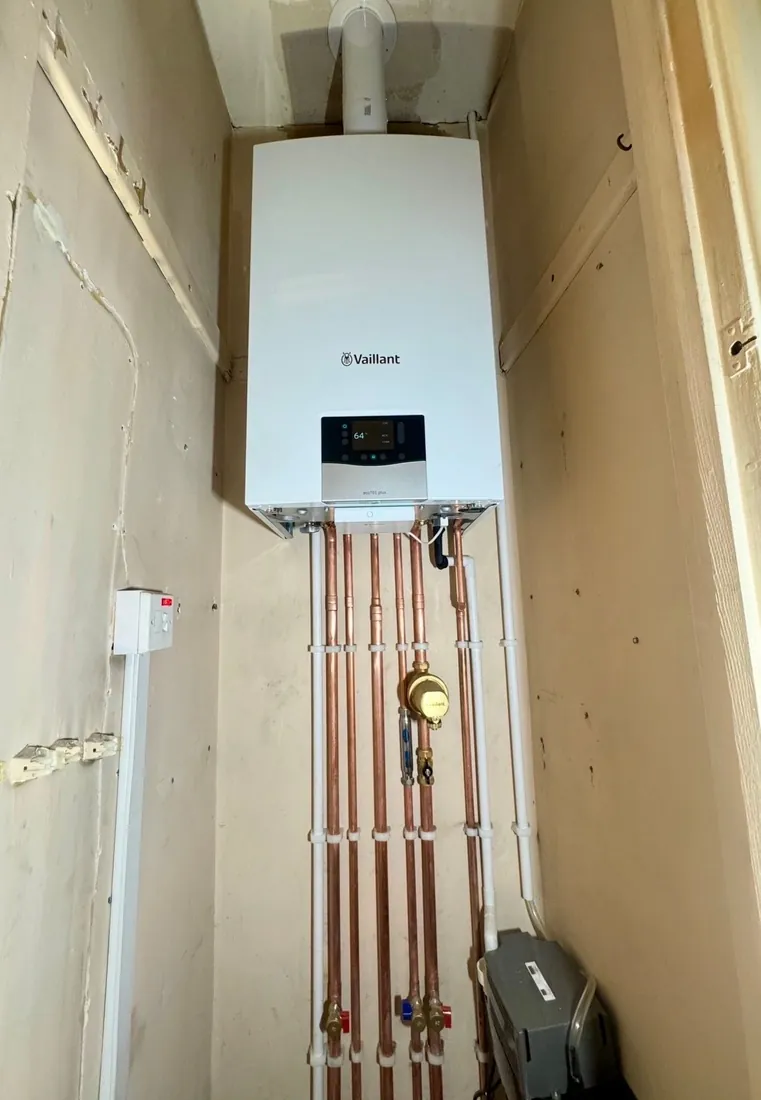
Not all boilers are created equal. Premium brands such as Worcester Bosch, Vaillant, and Ideal often have higher initial costs but come with extended warranties, better build quality, and higher energy efficiency ratings. While cheaper models can save you money upfront, they may lack durability or advanced features, which could lead to higher running costs over time. It's also worth noting that newer models are designed to meet the latest energy standards, helping you lower your carbon footprint while maintaining comfort throughout the year.
Property size and heating demand
Every property has different heating requirements. A small flat or bungalow will need a lower-output boiler compared to a large detached home with multiple bathrooms. Engineers calculate your home's heating load based on insulation quality, radiator count, and water usage to recommend the right size boiler. Oversizing or undersizing your system can affect both efficiency and comfort, so ensuring the correct boiler capacity is chosen is key. Naturally, larger or more complex properties tend to have higher installation costs due to increased system demand.
Installation complexity
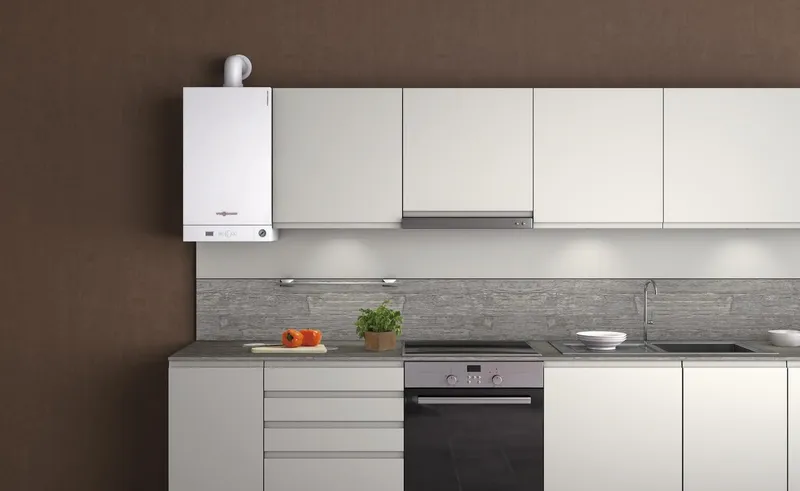
If your new boiler is replacing the old one in the same spot, installation is usually simple and cost-effective. However, if you're relocating the boiler, for example moving it from the kitchen to the loft or garage, the cost will rise. Relocation requires extra pipework, longer flue runs, and possibly drilling through walls for ventilation, all of which add to labour time and material costs. Similarly, converting from one boiler type to another, such as changing from a system boiler to a combi, involves removing tanks and rerouting pipes, which increases the overall expense.
Additional upgrades and accessories
Modern heating systems often benefit from extra components that boost performance and longevity. For instance, a magnetic filter helps capture sludge and debris from your heating system, preventing damage to internal parts. A smart thermostat can make your home more energy-efficient by allowing you to control heating schedules more accurately. Power flushing your system before installation clears out any built-up sediment, improving water circulation and ensuring your new boiler runs at peak performance. You may also need a new flue system or pipework to comply with current gas safety regulations. While these upgrades increase installation costs, they also protect your investment and help your new boiler run efficiently for years to come.
Labour and access considerations
Every home presents unique installation challenges. If your boiler is located in a difficult-to-reach area, such as a loft or tight cupboard, the job may take longer and require additional safety equipment or manpower. Older properties may also need extra work to bring the system up to modern gas safety standards, which can add to the cost. It's also worth remembering that installation costs vary slightly between regions. In areas like Bristol and Bath, where housing stock includes both period homes and newer builds, pricing can fluctuate depending on property type and existing infrastructure.
Energy efficiency and long-term value
While a high-efficiency boiler might cost more upfront, it can save you hundreds of pounds annually on energy bills. New A-rated boilers convert more fuel into usable heat, reducing waste and emissions. Over time, the savings can outweigh the higher purchase price. If your goal is to future-proof your home, consider pairing your boiler with energy-saving features like thermostatic radiator valves or weather compensation controls. These additions help you maintain comfort while keeping running costs low.
Comparing quotes and professional advice
Because so many variables affect boiler installation costs, it's always best to get professional advice and multiple quotes before committing. A qualified Gas Safe engineer will assess your home, discuss your options, and provide a clear, itemised quote that outlines all potential expenses. This ensures transparency and avoids unpleasant surprises later.
Reliable boiler installation services in Bristol and Bath
If you're planning a new boiler installation in Bristol or Bath, SNT Plumbing & Heating can help. Our Gas Safe registered engineers provide honest advice, expert fitting, and professional aftercare to ensure your new boiler runs efficiently from day one. Call us today on 07775 504 887 or fill out our contact form to schedule your free consultation and quote.
Phone: 07775 504 887
Contact us
Email: info@sntph.co.uk
Office: 19 Gore's Marsh Rd, Bristol BS3 2PE
Boiler installation service
What happens during a boiler installation